Wealth also chooses a city
I picture a period of semi-retirement in Leblon. That preference opens a conversation about where to live, what it costs and how to sustain the life we choose.
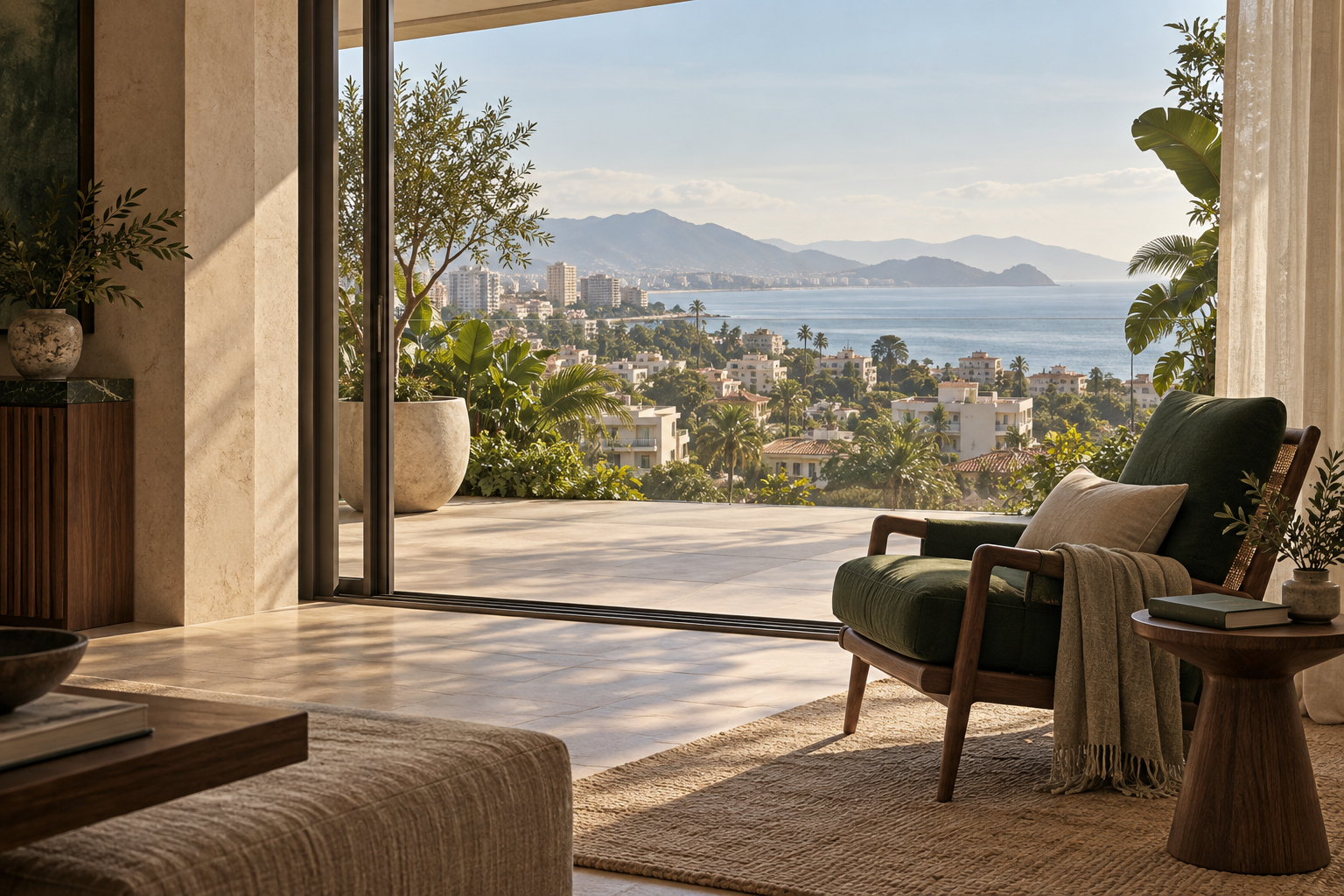
I can picture myself taking a sabbatical, a period of semi-retirement, by the beaches of Leblon. Rio de Janeiro is my favorite. There is something about that possibility that interests me as much as any discussion about investments: having the time to live in a place I have chosen.
I imagine watching the evening settle with a caipirinha and my feet buried in the sand. No rushing the last sip or checking the time for the next meeting. Later, a boteco, something to share and a conversation with room to unfold. That scene gives a very tangible shape to what I want wealth to provide: time to enjoy life.
That image leads to a practical question. After building wealth, where do we want to enjoy it?
Choosing where to live or retire in Latin America brings personal preferences together with lasting financial decisions. Rio de Janeiro, São Paulo, Buenos Aires and Montevideo suggest different everyday lives. Comparing them means looking at living costs, housing, health care, relationships and the time left in each day.
Rio: I would start with Leblon
Beach life, nature and the city meet in Rio. Visit Brasil includes Leblon among the city's beaches. For me, the appeal is imagining that proximity to the ocean as part of an ordinary week.
I am also drawn to the history and culture of a city that deserves time: the Afro-Brazilian heritage of Pequena África, the samba of Pedra do Sal, its buildings and museums. Botecos, the neighborhood bars, are part of that shared life; several traditional establishments are recognized as Carioca Cultural Heritage. I would like to discover that Rio through walks, shared tables and afternoons without an agenda.
A period of semi-retirement could leave room for selected projects, reading, walking and making decisions with less urgency. That is the benefit I would seek. Its value depends on how much of it becomes part of my actual routine.
That wish comes with a demanding price. The August 2026 FipeZAP report puts Leblon's advertised sale price at R$28,751 per square meter, against Rio's average of R$11,216. Leblon leads the neighborhood ranking published by Forbes using those data. The distinction matters: this refers to the neighborhood and asking prices; it does not make Rio as a whole Brazil's most expensive city.
The budget would have to be built around Leblon and a particular apartment. The floor, noise, building condition, condominium fees, air conditioning and actual distance to places I would use all matter. A Rio average does not price that experience. Nor does it establish that different routes and times of day offer the same security conditions.
My first step would be to rent for a defined period and try daily life. Buying would make sense after understanding the routine I want to sustain.
Three alternatives that help clarify the choice
São Paulo: keeping an urban calendar. Its culinary diversity reflects the communities that shaped the city, as its Gastronomy Observatory explains. I would consider it if meetings, restaurants and activities were to occupy much of my week. I would pay close attention to the distance between home and regular destinations: travel time also consumes the freedom we seek.
Buenos Aires: building a life around the neighborhood. The official guide describes different dining areas in Palermo, Recoleta and Puerto Madero. Buenos Aires Tourism. I would explore it for a routine of meeting people and spending time close to home. Before deciding, I would price the lease and its adjustments in the contract currency, then translate the total into the currency funding my life.
Montevideo: making room for life by the water. Its rambla is used for daily walks and physical activity, according to the city's tourism guide. I would consider it for a less intense chapter. That preference needs its own budget: it is the most expensive of these four cities in the comparison below.
These are personal interpretations of possible lifestyles. The experience will depend on the neighborhood, home, company and each person's needs.
A reference point for living costs
The 2026 edition of Numbeo's South America table offers a common reference:
| City | Excluding rent | Including rent |
|---|---|---|
| Rio de Janeiro | 32.9 | 23.5 |
| São Paulo | 36.8 | 27.7 |
| Buenos Aires | 48.8 | 34.3 |
| Montevideo | 57.2 | 38.5 |
New York = 100 in each index; lower values indicate lower relative costs. The combined index uses its own weights, so it can be lower than the index excluding rent. Definitions.
This is a historical 2026 reference, consulted on September 26, rather than a quotation of today's rents. Numbeo combines user contributions with information gathered by its team. Its basket is not a retiree's personal budget. Methodology.
I would use the table to frame questions. A decision requires current quotations for comparable housing and lifestyles. Leblon may differ substantially from Rio's average, just as selected neighborhoods may differ from the other city averages.
The cost of arriving and the cost of staying
I would divide the budget into three parts. First, settling in: moving, deposits, guarantees, furnishings and paperwork. Second, daily life: rent, building charges, utilities, food, transport, health care and leisure. Third, keeping options open: family visits, unexpected expenses and readily available money to change plans.
Health care needs an individual quotation that considers age, medical history, coverage, exclusions and providers. Security requires reviewing the building and regular routes. For connectivity, I would check the flights I actually need, their schedules and the cost of reaching the airport.
I would also review permission to reside separately from the tax consequences of relocating. Immigration categories and tax rules have their own requirements; official pages from Argentina and Uruguay's tax authority illustrate that distinction. Before moving, I would have local professionals assess my circumstances in both the departure and destination countries.
Living off wealth means looking at available cash
A portfolio can show an attractive return while providing little cash when rent is due. For a sabbatical, I would start with its duration, expected expenses and an accessible reserve. A long retirement also requires considering inflation, longevity, taxes, market fluctuations and currencies.
A hypothetical example puts the scale in perspective: US$3,000 a month is US$36,000 a year. Dividing that spending by 3% gives US$1.2 million; dividing by 4% gives US$900,000. This is illustrative arithmetic. Those percentages are neither promised returns nor recommended withdrawal rates. The calculation does not demonstrate that capital will last a lifetime and excludes additional costs and taxes.
I want the financial structure to support the life I choose without depending on selling an investment at an unfavorable moment. Connecting available cash with everyday life is part of managing wealth.
Before buying an address, I would try a routine
I would spend a few weeks doing ordinary things: shopping, appointments, unfinished work, getting around and having days without special plans. I would return in another season if I were considering a permanent home. That experiment would have a limited cost compared with getting a lasting decision wrong.
Rio remains my favorite. And Leblon is where I picture that chapter today. That is precisely why I would want to understand the conditions that would let me enjoy it.
Wealth can also be measured by the freedom to choose how a Tuesday unfolds.
Ronald Barrios
General perspective and personal preferences. Sources consulted on September 26, 2026. The table uses Numbeo’s historical 2026 edition, not current quotations. The financial example is hypothetical and is not individual advice.